Build

Cloud and DevOps

Moving workloads to AWS and Azure, running them well once they are there, and setting up the pipelines that keep releases frequent and safe.

Network cables in a data centre
Clouds
AWS and Azure, plus Google Cloud
Assessment
3–4 weeks to a costed plan
Migration
In waves, with rollback for each
Run
24x7 monitoring options

Overview

AWS and Azure Migration, Infrastructure and Pipelines.

Cloud migration pays off only when the result is cheaper to run, easier to change and more reliable than what came before. We plan migrations around those outcomes.

Our engineers set up infrastructure as code, CI/CD pipelines, monitoring and cost controls, so your team can release with confidence.

You Might Need This If…

  • A data centre contract or hardware refresh is coming up.
  • Releases are manual, risky and happen only every few months.
  • Your cloud bill keeps growing and nobody can explain why.
  • Environments differ, so things work in test and fail in production.
  • Security and access controls in the cloud grew without a plan.

What we deliver

Cloud and DevOps Services

Take one piece or the whole scope, delivered by one team.

  • Cloud Assessment

    An inventory of applications and a migration plan with costs and risks for each.

  • AWS and Azure Migration

    Rehosting, re-platforming or rebuilding workloads, moved in planned waves.

  • Infrastructure as Code

    Repeatable environments with Terraform, CloudFormation or Bicep.

  • CI/CD Pipelines

    Automated build, test and deployment for every application.

  • Containers

    Docker and Kubernetes set-ups for applications that need to scale.

  • Monitoring and Cost Control

    Alerting, dashboards and regular reviews of cloud spend.

What good looks like

The Outcomes We Work Towards

We agree how success will be measured before work starts, and report against it.

  • Predictable releasesAutomated pipelines so deploying is routine, not an event.
  • Costs you understandTagging, budgets and regular reviews of what you spend and why.
  • Repeatable environmentsEverything defined in code, so environments match and rebuild quickly.

How we work

Four Phases, with Clear Deliverables

Each phase ends with something you can review and sign off, so you can stop, change course or continue with confidence.

  1. 13–4 weeks

    Assess

    Understand each workload, its dependencies and its target state.

    You get

    • Application inventory
    • Migration approach per workload
    • Cost and risk estimate
  2. 23–6 weeks

    Build the Landing Zone

    Accounts, networking, security and governance set up first.

    You get

    • Landing zone in code
    • Network, identity and security baseline
    • Pipelines
  3. 3Per wave

    Migrate in Waves

    Move workloads in planned groups, with rollback for each.

    You get

    • Workloads moved and tested
    • Cutover and rollback plans
    • Runbooks
  4. 4Ongoing

    Run and Optimise

    Ongoing operations, tuning and cost reviews.

    You get

    • Monitoring and alerting
    • Monthly cost review
    • Patching and upgrades

Technology

Tools and Platforms We Work With

We choose tools to fit your stack and your team, and we document what we build so you’re never locked in.

  • AWS
  • Microsoft Azure
  • Terraform
  • Kubernetes
  • Docker
  • GitHub Actions
  • Azure DevOps
  • Jenkins

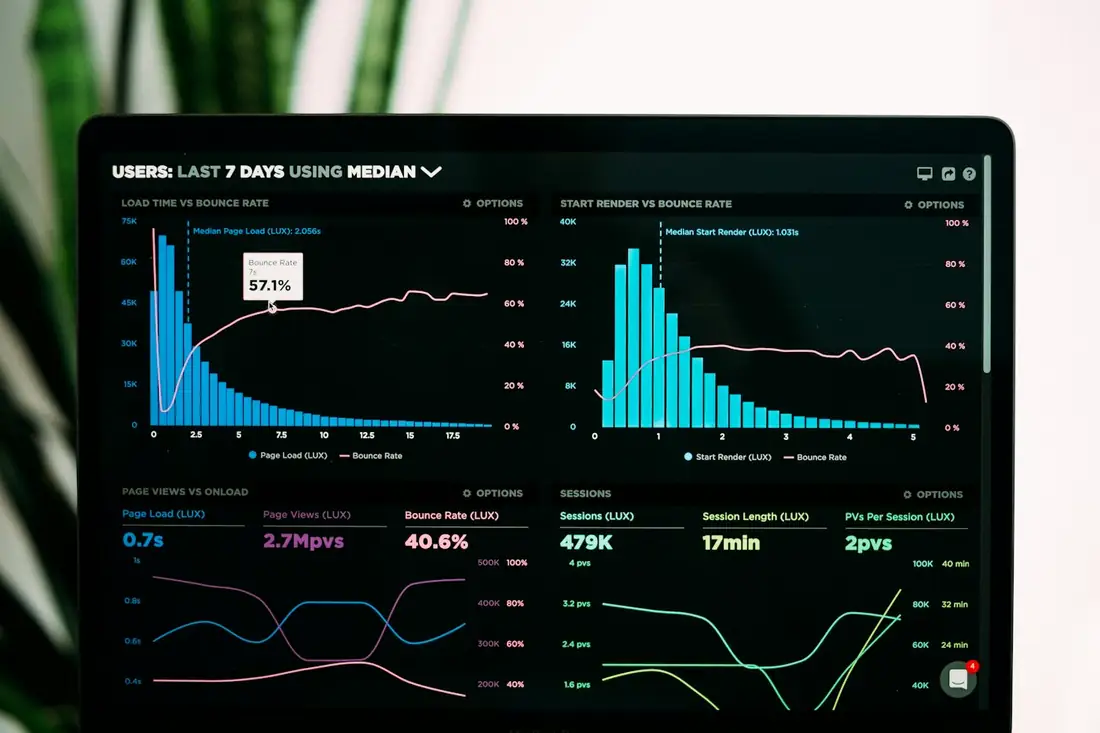
You see progress the whole way through, in the same kind of view shown here.

Examples

What This Work Looks Like

Two typical engagements: the problem, what we did, the team and the result.

Example scenario · Mid-sized financial services firm

Exiting a Data Centre Ahead of Contract Renewal

The situation

Around 120 servers had to leave a co-located data centre within a year.

What we did

  • Assessed each application and chose rehost, replatform or retire
  • Built a secure landing zone in code
  • Moved workloads in six waves, each with a rollback plan

Team
Cloud architect, 3 cloud engineers, security engineer, project manager
Timeline
10 months
Result
The data centre was closed on time with no major incidents.

Example scenario · Software company

From Quarterly Releases to Weekly

The situation

Manual deployments meant releases happened every quarter, after long weekend outages.

What we did

  • Containerised the main services
  • Built CI/CD pipelines with automated tests and approvals
  • Introduced blue-green deployments
Team
DevOps lead, 2 DevOps engineers, SRE
Timeline
4 months
Result
Weekly releases during working hours, with no planned downtime.

These examples show the kind of work we do. They are illustrative and do not describe a named client.

Containers at a Singapore port
Singapore edition

Cloud in Singapore

  • Workloads in Singapore cloud regions on AWS, Azure and Google Cloud.
  • Controls mapped to MAS TRM Guidelines and the Cyber Trust mark.
  • Government workloads aligned with IM8 policies.
  • A Singapore-based delivery lead and architect, with engineering in India just two and a half hours behind.

Team and pricing

Who You Work with, and How It’s Priced

Every engagement has a named delivery lead. Need individuals rather than a team? We place cloud architects, DevOps engineers, site reliability engineers and more on contract, contract-to-hire or direct hire terms.

A Typical Team

Sized to the work; this is a common starting point.

  • Cloud architect1
  • Cloud/DevOps engineers2–4
  • Security engineerPart-time
  • Site reliability engineerFor run
  • Project manager1

Project

A fixed scope and timeline, led by our delivery lead. Often fixed price for discovery and first release.

Dedicated Team

A stable team working on your backlog and tools, billed monthly. Scale up or down with notice.

Managed Service

We run and improve what has been built, against agreed service levels, for a monthly fee.

Hire cloud architects instead

FAQs

Questions We Often Hear

AWS or Azure?

We work on both. Your existing licences, skills and applications usually decide it, and we will say plainly if one fits better.

Will moving to the cloud save money?

It can, but only with right-sizing, reserved capacity and good habits. We estimate costs up front and review them monthly after.

How do you avoid downtime during migration?

We migrate in waves, test each workload in the cloud first, and schedule cutovers with a tested rollback.

Can you run our cloud after migration?

Yes, with monitoring, patching, backups, cost reviews and on-call support sized to your needs.

Do you work with Terraform or Bicep?

Yes, and CloudFormation. Everything we build is defined in code and kept in your repositories.

Next step

Talk to Us About Cloud and DevOps

Tell us what you need and when. We’ll come back with an approach, a team and a plan.

  1. We reply within one working day.
  2. A short call with someone who knows the subject, not a salesperson reading a script.
  3. A written proposal or shortlist, usually within a week.

Prefer email? Write to info@tekishub.com.